Waqf literally means "to hold back" and "to preserve". In Sharia, waqf is when a person holds back the core of their property or wealth and gives it permanently for the sake of good, so that it can no longer be sold, gifted, or inherited. Its benefit or income, for the pleasure of Allah, is directed toward charitable, social, and other publicly beneficial causes.
What is given as Sadaqah can be spent right away — for food, clothing, or other needs.
The reward for Sadaqah is usually tied to the good deed itself and the benefit it creates.
The concept of "Sadaqah" is broad and can include money, goods, food, clothing, or other kinds of help.
Waqf
A Waqf asset is preserved and held back.
A Waqf asset is preserved and held back: it cannot be sold, gifted, or inherited.
Its benefit or income is continuously directed toward good works.
Waqf is one of the well-known examples of Sadaqah Jariyah, since its benefit and reward can continue for many years.
In other words: with Sadaqah you give the thing itself; with Waqf you give a lasting source whose benefit or income is directed toward good causes.
Sharia basis
What waqf is based on in Sharia
Waqf, as a good and recommended act, is grounded above all in the words, actions, and guidance of the Prophet ﷺ. The Qur’anic verses on spending, charity, and giving in the way of Allah are stated in general terms. So these verses are cited as a general Sharia foundation, rather than as a direct definition of waqf.
Qur’an, 2:261 (Surah al-Baqarah)
Meaning
The parable of those who spend their wealth in the way of Allah is that of a grain that sprouts seven ears, with a hundred grains in each ear. And Allah multiplies the reward for whoever He wills, for Allah is All-Encompassing, All-Knowing.
The image of a grain yielding many fruits is close to the idea of a waqf’s continuous benefit.
Qur’an, 2:262 (Surah al-Baqarah)
Meaning
Those who spend their wealth in the way of Allah, and do not follow their spending with reminders of their generosity or with hurtful words, will have their reward with their Lord; no fear will come upon them, nor will they grieve.
The condition for good giving: without reproach or causing hurt.
Qur’an, 3:92 (Surah Al ‘Imran)
Meaning
You will never attain true righteousness until you spend from what you love. And whatever you spend, Allah surely knows it well.
The true measure of goodness: giving what is dear to you.
Qur’an, 5:2 (Surah al-Ma’idah)
Meaning
Help one another in righteousness and piety, and do not help one another in sin and transgression.
The basis of general cooperation in good works.
Qur’an, 73:20 (Surah al-Muzzammil)
Meaning
And whatever good you send ahead for yourselves, you will find it with Allah, better and greater in reward.
A good deed as capital sent ahead for the Hereafter.
FAQ
Frequently asked questions about Waqf
What is waqf?
Waqf is preserving the core of an asset and directing its benefit or income toward good works for the pleasure of Allah. The "core" is property that is itself preserved while its benefit is used, such as a house, a shop, land, or a garden. Waqf property is normally not sold, gifted, pledged, or inherited.
What establishes the legitimacy of waqf in Sharia?
Waqf is based above all on the words of the Prophet ﷺ, the practice of the Companions, and its recognition by scholars. The word "waqf" is not mentioned directly in this sense in the Qur’an, but many verses urge people toward spending, charity, good works, and giving in the way of Allah. In this way, the Qur’an provides a general Sharia foundation for waqf.
What are permanent and temporary waqf?
A permanent waqf is established forever: the core is preserved and its benefit is continuously directed toward good works. A temporary waqf is established for a set period; once that period ends, the property is returned to the owner or a designated person according to the founder’s conditions.
How does waqf differ from sadaqah?
With sadaqah, the item or sum itself is given to another person and can be spent immediately. With waqf, the core asset is preserved, and its benefit or income is directed toward good works. This is why waqf is considered one of the well-known forms of ongoing sadaqah — a continuous good.
What kind of property can be made into a waqf?
Property whose core can be preserved while its benefit is used can become a waqf: a house, a shop, land, a garden, a well, and other income-producing assets. Waqf property must be clearly defined, lawfully owned by the founder, and suitable for Sharia-permitted use.
What purposes can the income and benefit of a waqf be directed to?
The benefit and income of a waqf can be directed to good works, including education, healthcare, access to water, and support for those in need and for relatives. The purpose of a waqf must not be linked to sin or anything forbidden. The founder’s conditions are also observed, provided they do not contradict Sharia.
Do scholars disagree on some types of waqf?
The legitimacy of waqf as such is accepted by scholars. However, on some specific matters — the type of property, the method of management, and certain forms of waqf — there are differences of opinion between schools of law. These differences do not affect the basic legitimacy and merit of waqf.
What are the basic conditions for a valid waqf?
Among the main conditions: the founder has the right to dispose of the property; the waqf property is clearly defined and beneficial; the purpose of the waqf is lawful and good; the conditions of the waqf are clear; and the waqf is established and managed according to the requirements of Sharia. Details of some conditions can vary between schools of law.
What role does intention play in waqf?
Waqf is a good deed and a way of drawing closer to Allah. Intention and a good purpose are therefore of great importance in it. The founder must have a sincere, good intention and direct the benefit of the waqf in a lawful and useful way.
Who manages a waqf?
The founder may appoint a person or an organization as a "nazir" (custodian) to manage the waqf. The nazir is responsible for the waqf’s property as a trust and is obliged to preserve it, manage it properly, and act according to the conditions of the waqf and the requirements of Sharia. If no nazir has been appointed, management follows the waqf deed and applicable law.
Is a cash waqf permissible?
Among earlier scholars there was some disagreement over cash waqf. Today, many contemporary scholars and fiqh institutions consider a cash waqf permissible, provided Sharia conditions are met: the principal sum is preserved or reasonably invested, and its benefit or income is directed toward the waqf’s purposes.
Where can I learn more?
For further study, one can turn to books on the fiqh of waqf, contemporary research, and the AAOIFI standards on waqf. These sources explain in detail the issues of establishing, managing, investing, preserving, and distributing the benefit of a waqf.
How it works
How does the Saliheen Waqf project work?
Five steps from gathering funds to social benefit
1
Gathering Waqf assets
Forming the base
The Saliheen Waqf project is formed from funds and property that individuals and organizations donate to the Waqf. Donors can contribute various assets, including a house, a shop, land, a garden, a well, and cash.
2
Preserving Waqf assets
Protecting the base
The property and assets of the Waqf are preserved for the common good. They cannot be sold, gifted, or inherited. This is why a Waqf can remain a source of continuous good and benefit for many years.
3
Trustworthy, responsible management
Trust
Waqf assets are preserved and managed with responsibility, care, and transparency. Waqf property is an amanah (a trust). It must therefore be managed with high responsibility, following the requirements and principles of Sharia throughout.
4
Benefit and income
Investment
Waqf assets are managed and invested responsibly and in accordance with Sharia. Part of the profit earned may be added back to the Waqf’s assets or reinvested, to preserve the Waqf’s value and earning capacity, prevent its assets from shrinking over time, and ensure the Waqf’s sustainability.
5
Continuing social benefit
Outcome
The income and benefit generated from Waqf assets are directed to charitable and social programmes, including support for orphanages, homes for the elderly, education, healthcare, and other community needs. In this way, Waqf property can benefit people for many years and become a continuous good.
Legal basis
The legal basis in Tajikistan
Law
Law of the Republic of Tajikistan "On Charitable Activity"
No. 18 of 22.04.2003 · as amended in 2018 and 2022
Art. 2A donation is voluntary, gratuitous assistance in monetary or other form to non-commercial organizations or to persons in need, for charitable purposes. Donors have the right to determine the purposes and manner of use of their donations.
Art. 3Purposes of charitable activity: social support, help for families and children, healthcare, education, science, culture, environmental protection, and other socially significant purposes.
Art. 14Entrepreneurial activity is permitted only to achieve the purposes for which the organization was created, and in accordance with them. To create the material conditions it needs, the organization may establish business entities, but not jointly with other persons.
Arts. 17–18Sources of property: charitable donations, income from permitted entrepreneurial activity, and income from business entities established by the organization. No more than 20% of the financial year’s expenses may go toward administrative staff salaries.
Art. 19Any excess of income over budget expenses is not distributed among founders (members) but is directed toward the organization’s purposes.
Art. 22The organization provides open, unimpeded access to its annual reports. Information on income, property, and expenses cannot constitute a commercial secret.
How this relates to the Waqf
The law sets a framework for an organization that receives funds for the common good: purposes, use of donations, reporting. Article 2 comes closest to the idea of Waqf — separating the core asset from its benefit. The law does not call this "waqf" and does not describe it as a separate institution; but the rules that any charitable organization follows, including one implementing a Waqf, are established here.
Entrepreneurial activity → income → the organization’s purposes
If an organization carries out entrepreneurial activity, the law allows its income to be directed toward charitable purposes — under certain conditions. Here they are, according to the text of the Law.
1
Activity matches the organization’s purposes
Art. 14: entrepreneurial activity is permitted only to achieve the purposes for which the organization was created
2
The organization’s business entity
Art. 14: to create the material conditions it needs, the organization may establish business entities, but not jointly with other persons
3
Income — a source of property
Art. 17: income from lawfully permitted entrepreneurial activity and from business entities established by the organization
4
Use in accordance with the law
Art. 19: any excess of income over expenses is not distributed among founders (members), but is directed toward the organization’s purposes
5
Social purposes and open reporting
Art. 3: the list of charitable purposes; Art. 22: open access to annual reporting
Benefit
Why does waqf matter?
The essence of waqf is that the benefit of a good deed does not end with a single act of help, but continues for a long time. Throughout history, waqfs have played an important role in providing water, advancing knowledge and education, supporting healthcare, and helping those in need.
A continuous good
Its benefit and reward can continue for many years.
Preserving the core asset
The waqf’s property is preserved, while its benefit or income is used.
A lasting source of good
Creates a steady source of funds for social and charitable work.
Supporting the community
Helps with education, healthcare, support for those in need, and other social needs.
Economic development
Waqf assets can be invested in line with Sharia, generating income and jobs.
Mutual help
Strengthens a culture of giving, social responsibility, and mutual support.
Waqf directions
Waqf directions will be published once confirmed
We do not list directions the organization has not yet confirmed. Once they are confirmed, specific goals, descriptions, and links to reports will appear here.
Waqf indicators
Confirmed figures will appear here. We do not publish estimates or forecasts in place of real data.
—
Waqf assets
Data in preparation
—
Directed to purposes
Data in preparation
—
Beneficiaries reached
Data in preparation
—
Reporting period
Data in preparation
Support
Support the Waqf
Choose whichever method suits you. Payment is processed on Saliheen’s official website — we do not duplicate or alter the payment details.
Choose a method
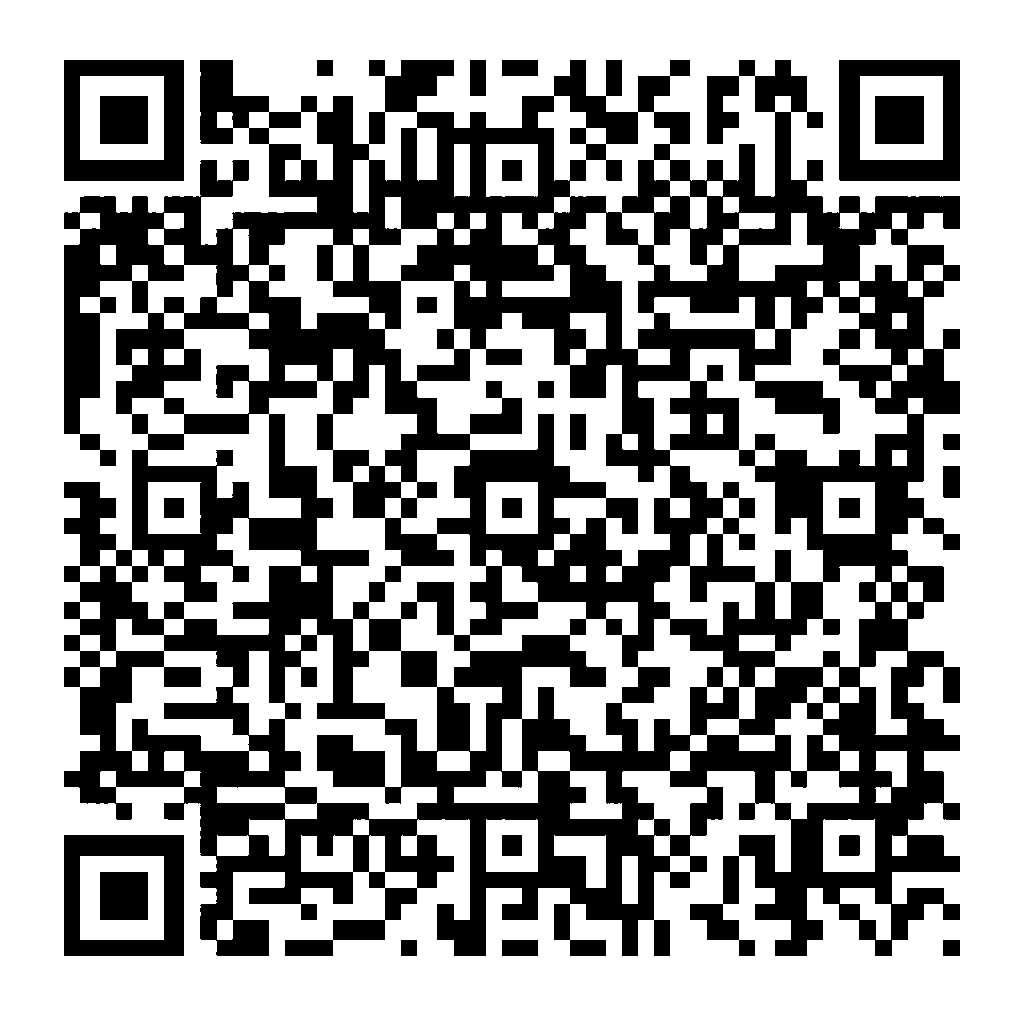
The QR code and the Alif Mobi wallet belong specifically to the Waqf project. When paying, check that the recipient is ТҚБХ "Салиҳин".
Unified QR
Works with any Tajik banking app
Point your banking app’s camera at the QR code — the Waqf Unified QR